

How to Buy Authentic Crystals and Gemstone Jewelry Online

There's something special about discovering a crystal that catches your eye.
Perhaps it's the deep purple of an Amethyst point, the delicate pink of Rose Quartz, or the beautiful natural patterns within a piece of Moss Agate.
But when shopping online, an important question naturally follows: How do you know what you're really buying?
The world of crystals and gemstones is wonderfully diverse. Some stones are completely natural and untreated, others have been enhanced through heat, dyes, or coatings, and some popular materials are manufactured to resemble natural gemstones.
Understanding these differences can help you shop with confidence.
At Earths Elements, our appreciation for genuine crystals, gemstones, and natural materials is part of our founding philosophy. We believe that knowing what a stone is, where possible, and understanding any treatments or enhancements allows us to appreciate its beauty more fully.
In this guide, we'll explore how to evaluate crystals and gemstone jewelry online, understand common treatments, and make informed choices when purchasing stones that resonate with you.
Key Takeaways
- Look for a specific material name, such as Amethyst or Rose Quartz, instead of a color alone.
- Natural, lab-created, simulated, and treated materials are different things, and a clear listing says which one you are buying.
- Photos, video, dimensions, and weight work best read together.
- For jewelry, check the stone, the metal, the setting, the size, and the closure.
- Independent gemological reports matter most for higher-value or rarer stones.
- A reputable shop answers material questions before you order.
Know What You're Buying: Start with the Gemstone Name
Color alone doesn't tell you what a gemstone is made of. A beautiful blue stone could be Amazonite, Blue Calcite, dyed Howlite, or another material entirely, and a golden stone may be naturally colored Citrine, heat-treated Amethyst, or another yellow gemstone.
Look for specific gemstone names rather than vague terms such as natural blue crystal or healing gemstone. Natural stones vary in color, pattern, and inclusions, but those variations do not automatically prove a stone is natural or untreated.
When shopping online, look for a listing that identifies the material as specifically as possible and provides treatment information when it is known.
If a distinction matters to your purchase, ask before ordering rather than relying on appearance alone.
Understanding Natural, Lab-Created, Simulated, and Treated Materials
These terms describe different things, and understanding the distinction can make gemstone shopping much easier.
Natural Gemstones
Natural gemstones are materials formed through natural geological processes. They may later be cut, polished, carved, drilled, shaped, or incorporated into jewelry. Those physical processes do not change the fact that the underlying material formed naturally.
A natural gemstone may also have undergone a treatment after it was mined. Therefore, natural does not automatically mean untreated.
Lab-Created Gemstones
Lab-created gemstones are manufactured in a laboratory and can have essentially the same chemical and physical characteristics as their natural counterparts.
Their origin is different from that of a naturally formed gemstone, but they are not automatically imitations.
If a gemstone is lab-created, the listing should identify it accordingly so you know what you are purchasing.
Simulated Gemstones
Simulated gemstones are materials selected or manufactured to resemble another gemstone without having the same composition or crystal structure. Glass, resin, and other materials can be used as simulants or imitations.
A simulated material can still be attractive and useful in jewelry or décor. The important point is that it should be identified accurately rather than presented as the natural gemstone it resembles.
Treated or Modified Gemstones
A gemstone treatment changes some aspect of a material, such as its color, clarity, appearance, or durability.
Common treatments include: heat treatment, dyeing, surface coating, fracture filling, stabilization, and impregnation. Treatment does not automatically make a gemstone fake or inferior.
A natural gemstone can remain a genuine natural gemstone after treatment. What matters is knowing what the underlying material is and whether relevant treatment information has been disclosed.
For U.S. shoppers, the Federal Trade Commission's Jewelry Guides address accurate representation of gemstone materials and treatment disclosures.
Real Examples From the Earths Elements Collection
Looking at familiar materials makes these distinctions easier to understand.
Citrine: Why Heat Treatment Matters
Citrine is loved for its warm golden hues and its traditional associations with joy, optimism, prosperity, and abundance. Much of the Citrine sold commercially is Amethyst that has been heat-treated to produce golden, yellow, or amber color, and naturally colored Citrine is less common in the commercial marketplace.
Heat-treated Citrine is still natural quartz with a color altered through treatment, and it can remain a meaningful choice. Our Citrine geodes are heat-treated Amethyst, and the product page states the treatment.
Aura Quartz: Natural Crystal With a Treated Surface
Aura Quartz is known for its iridescent colors. These crystals generally begin as natural quartz and receive a thin metallic coating, so the crystal is natural while the shimmer is a treatment. Our raw collection includes Angel Aura Amethyst, Angel Aura Rose Quartz, and Aqua Aura Quartz. Individual products may differ in their underlying material and treatment.
The important distinction is simple: a natural crystal can have a treated surface.
Opalite: Beautiful, but Manufactured
Opalite is manufactured opalescent glass, not a naturally occurring crystal. It is admired for its soft, translucent glow, and our Opalite pieces are described accurately as manufactured glass.
That doesn't make it less appealing as a decorative material or jewelry component. It simply means it should be described accurately.
Earths Elements currently carries Opalite pieces, including Opalite pyramids, and its current collection copy identifies Opalite as manufactured glass rather than a naturally occurring mineral.
Dyed Agate & Other Enhanced Stones
Some natural agates and other porous gemstones may be dyed to create or intensify particular colors.
The underlying material can remain natural even though its appearance has been changed through treatment.
Other gemstones may be stabilized or treated to improve durability or alter their appearance. These processes are not automatically problematic. Clear identification helps you understand what you're buying and what care the piece may require.
Look Closely at Photos and Measurements
Look at every angle for inclusions, banding, polish, and finish, and remember that screens cannot reproduce every color exactly. Compare the listed dimensions and weight with something you know, such as a coin, since close-ups can make a small crystal appear substantial. Natural stones vary from piece to piece, so ask whether a listing shows the exact piece or a representative example.
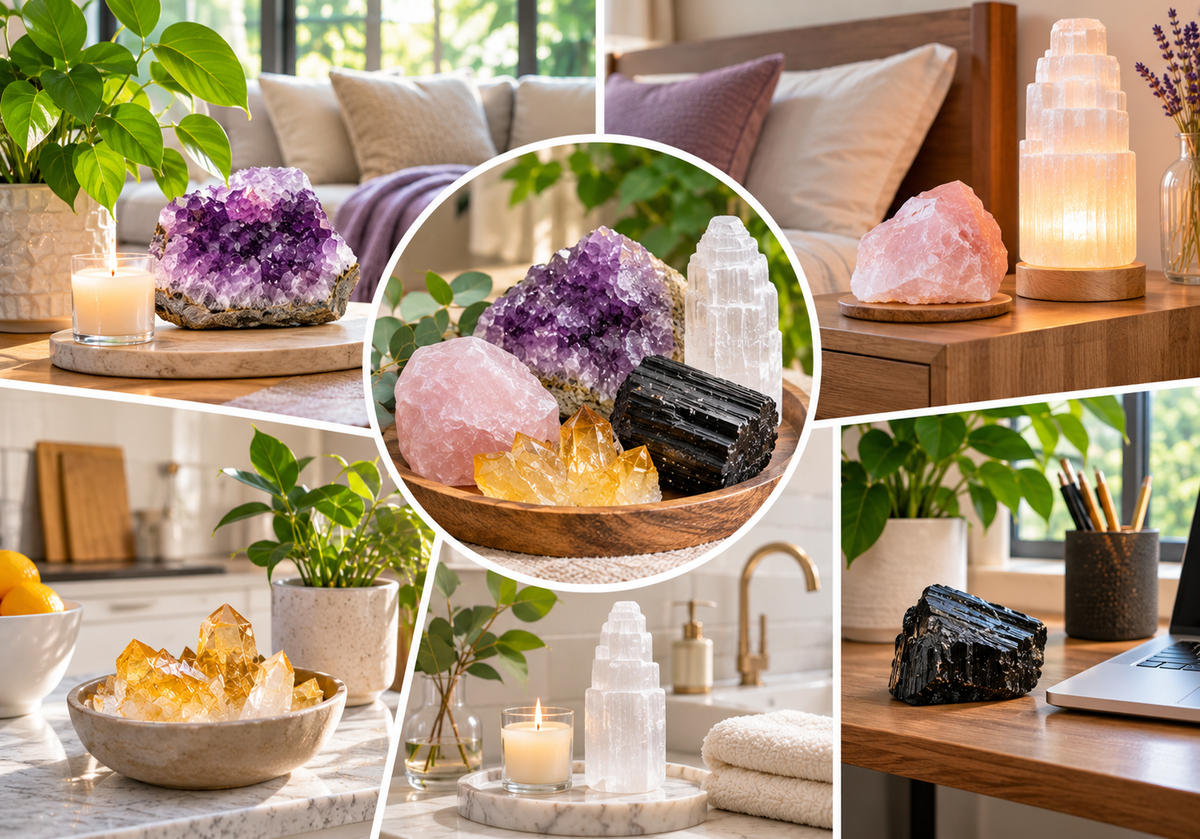
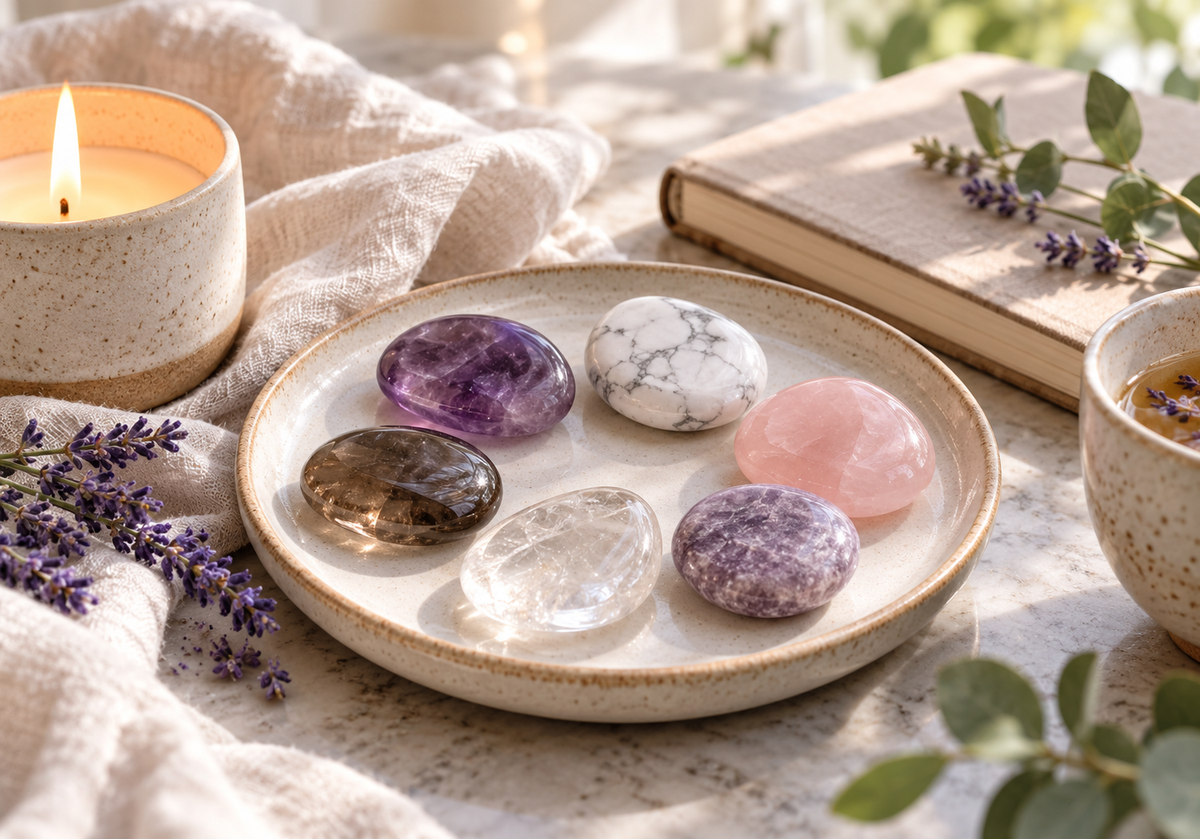
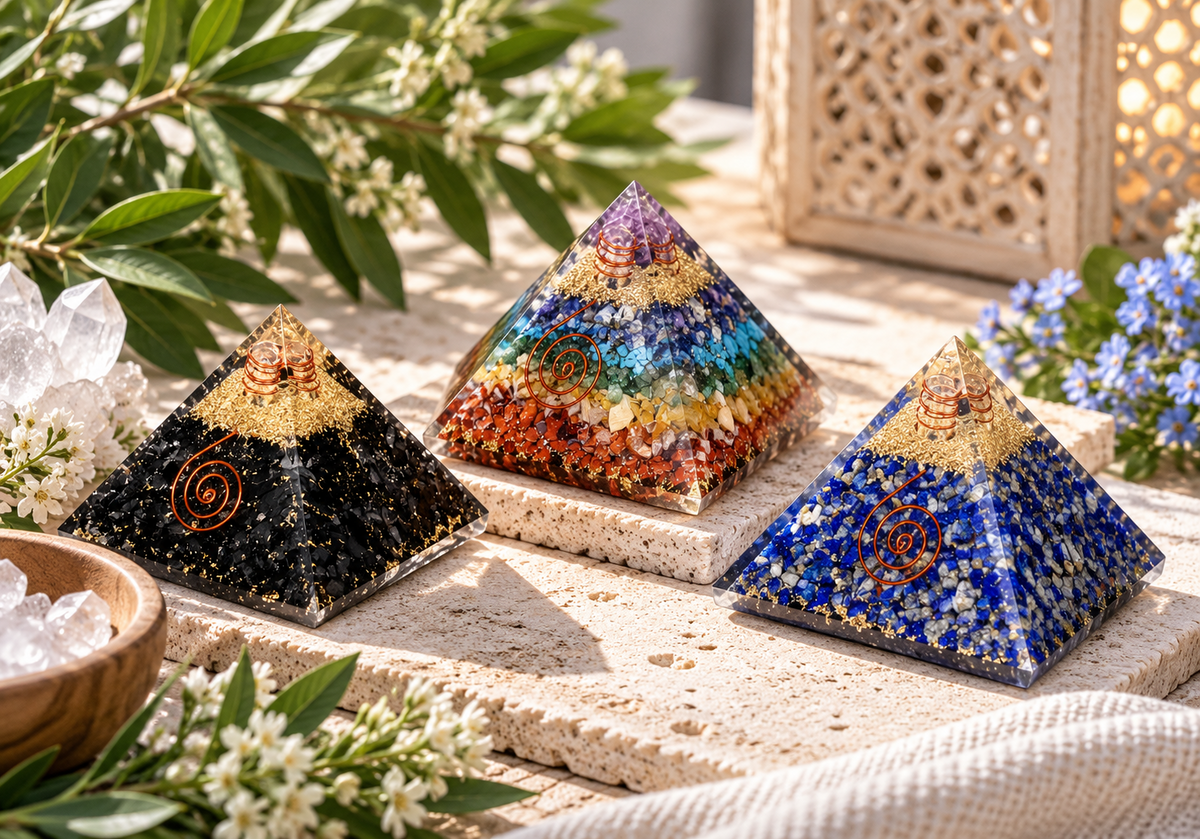
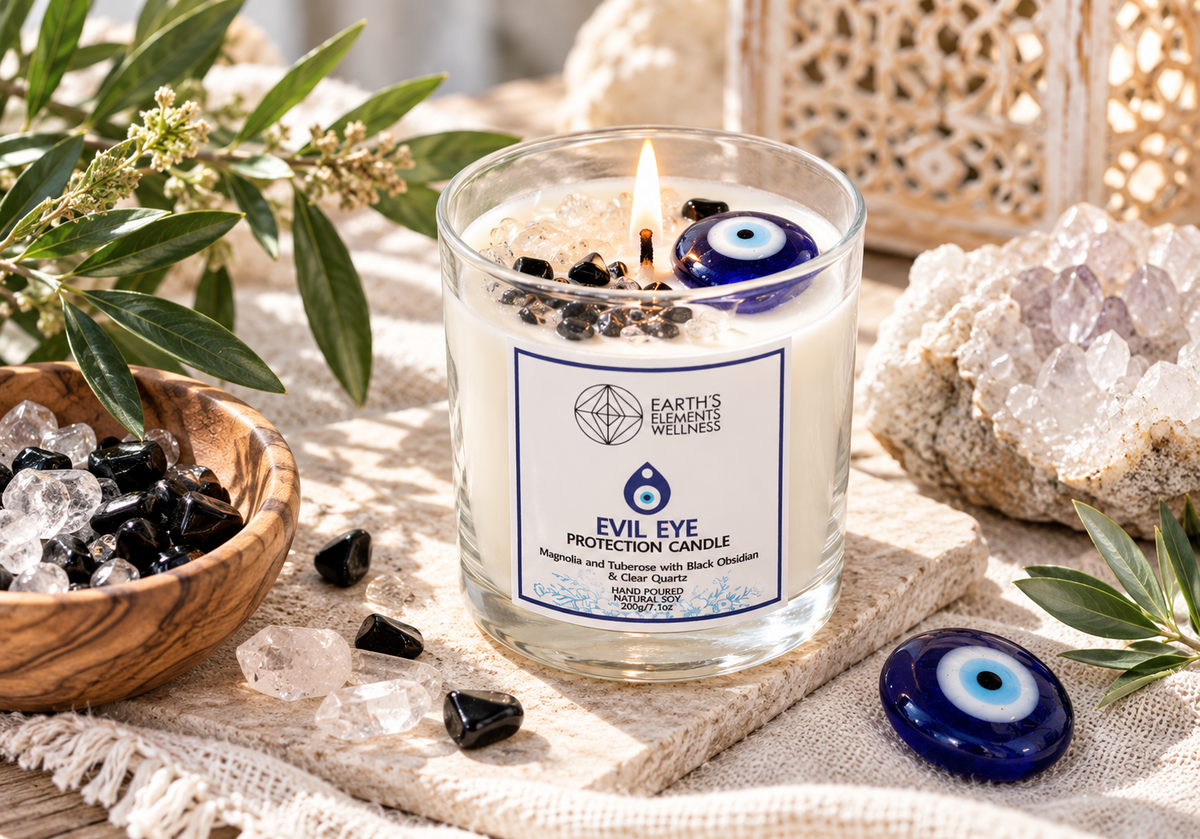
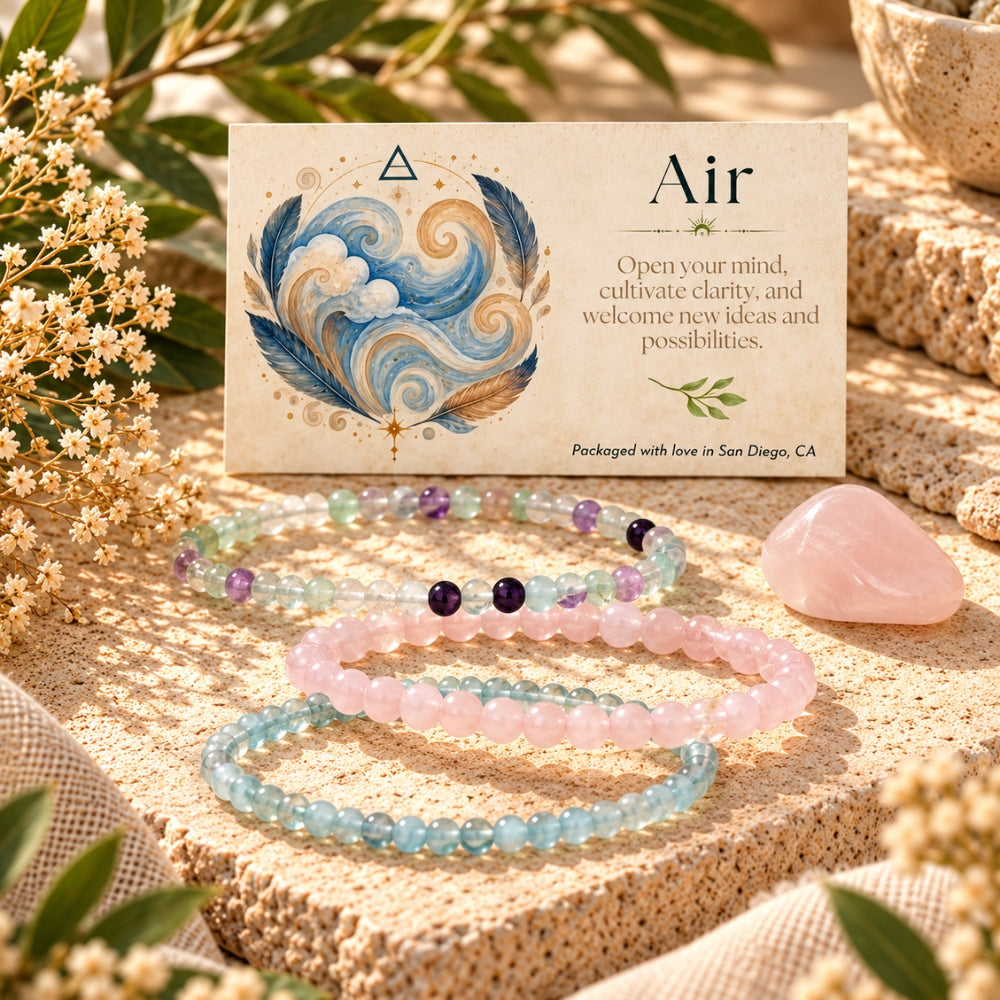
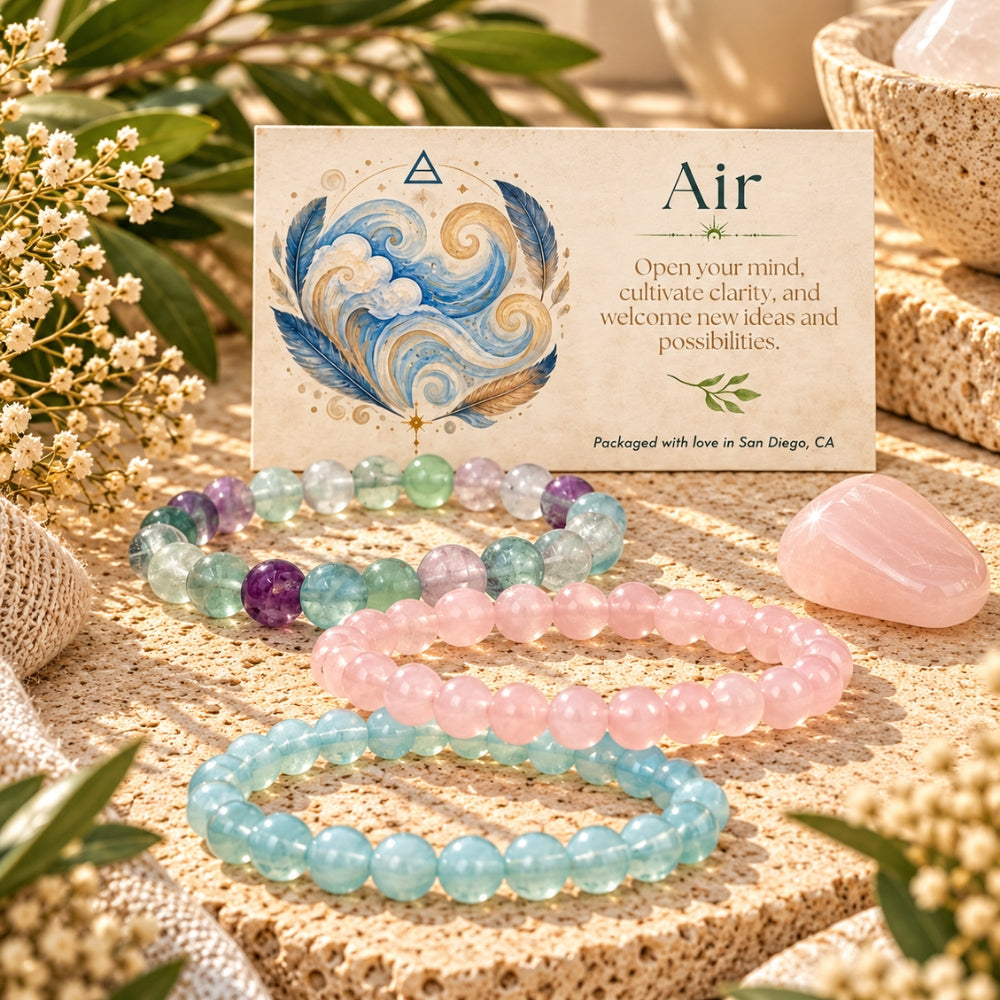
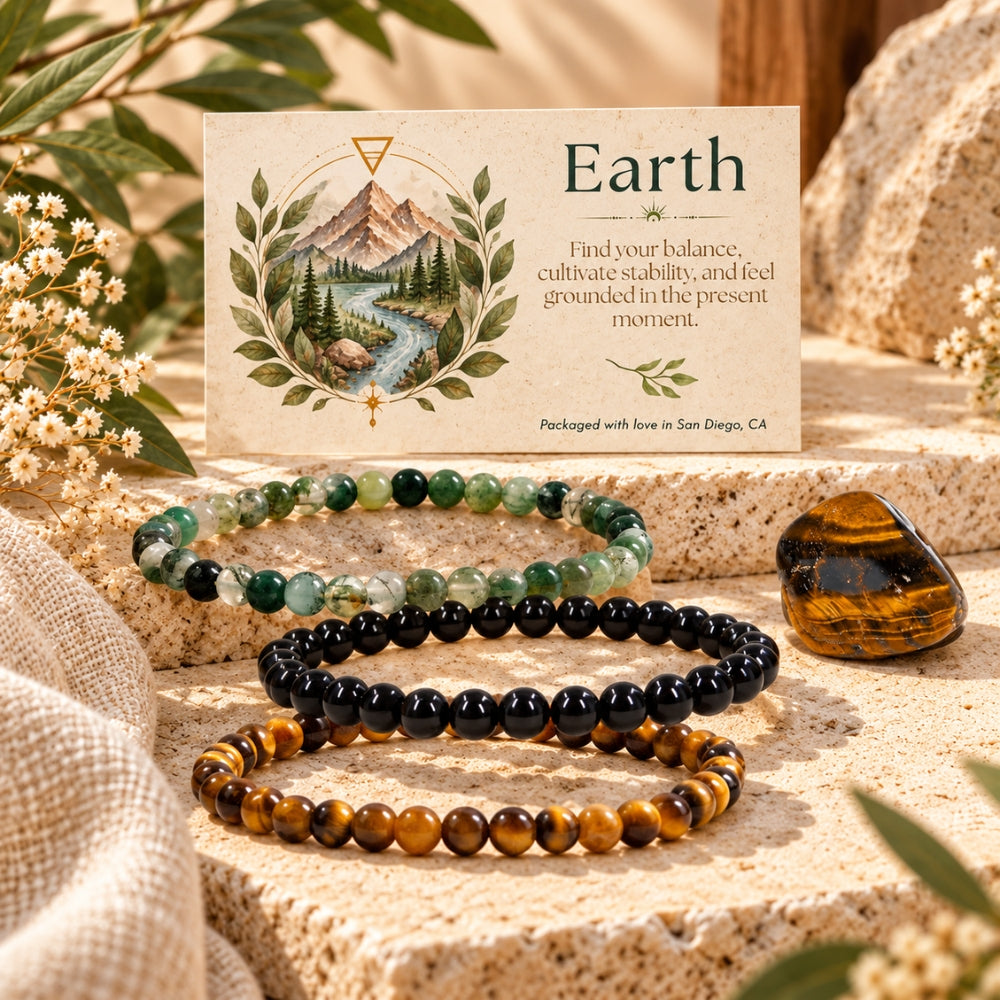
We use creative photography and digital tools, including AI-assisted imagery, to show how products can be styled, worn, or displayed, and our product listings include photographs of the real physical products so you can see the material and details. Lifestyle imagery inspires. Real product photography informs.
Exact Item vs. Representative Photograph
This distinction is particularly important with natural crystals. Some listings show an individual piece, while others use group photographs to show the range of colors, shapes, or sizes available.
Earths Elements product listings currently include examples where group photographs are specifically described as showing the variety available rather than one exact piece.
If you want to know whether the photograph shows the exact item you will receive, ask before ordering.
Product Photography: Inspiration Meets Accuracy
Lifestyle photography can help you picture how a crystal, carving, or piece of jewelry might look in your home or when worn.
Product photography serves a different purpose. It should help you evaluate the material, color, shape, texture, finish, and scale.
At Earths Elements, product listings use product photography alongside lifestyle imagery. When a listing includes photographs of individual pieces or a group of available pieces, review the description carefully to understand whether the image represents the exact item or a range of natural variations.
Our approach is simple: Lifestyle imagery inspires. Product photography informs.
Both have a place when shopping for natural materials online.
Check the Measurements Before You Buy
Close-up photography can make even a small crystal appear substantial. Before ordering, review the listed dimensions and weight when available.
A small tumbled stone, palmstone, point, carving, and large decorative specimen can look very different in person even when photographed from a similar distance.
Most importantly, compare the listed measurements with an object you already know the size of. A ruler, coin, or familiar piece of jewelry can give you a better mental reference for dimensions.
Because natural stones vary, colors, patterns, shapes, and other characteristics may differ between individual pieces.
If you're looking for a particular size or appearance, ask questions before ordering.\
Buying Gemstone Jewelry Online: What Matters Most
Gemstone jewelry combines a stone, metal, a setting, and a closure, so read each part:
- The gemstone’s name and any treatment
- The metal (sterling silver, gold-filled, plated, or stainless steel)
- How the stone is secured
- The size (chain and pendant dimensions, bracelet circumference, or ring size)
- The clasp
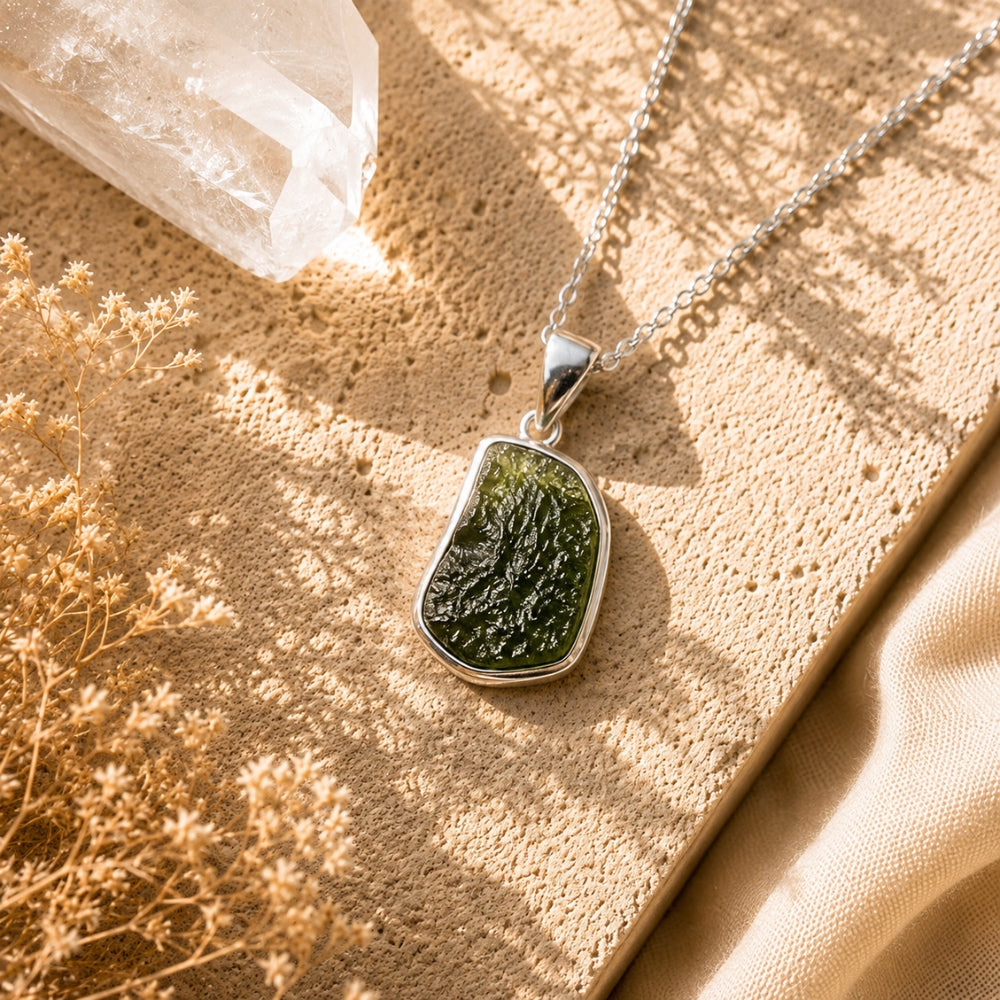
Different stones and finishes need different care. The FTC’s Jewelry Guides advise sellers to disclose gemstone treatments that are not permanent, that create special care requirements, or that significantly affect value. Explore our gemstone jewelry and necklaces/pendants.
Why Prices Vary, and When a Report Helps
Prices reflect material and rarity, size and weight, color, clarity, whether the stone is raw, polished, carved, or set into jewelry, craftsmanship, treatments, and documented origin. A lower price does not mean a stone is fake, and a higher price does not guarantee authenticity.
For everyday tumbled stones, decorative crystals, and affordable jewelry, clear descriptions are often more practical than laboratory documentation.
For rare, expensive, or frequently imitated gemstones, an independent report may identify the material and disclose detectable treatments, though not every report establishes geographic origin. Ask who issued it and what it verifies.
Do Crystals Need Certificates of Authenticity?
Not every crystal requires an independent gemological report. For everyday tumbled stones, decorative crystals, carvings, and affordable gemstone jewelry, a clear product description and a knowledgeable retailer may be more practical than laboratory documentation.
For rare, expensive, or frequently imitated gemstones, independent testing can provide additional information. A reputable gemological report may identify the material and disclose detectable treatments, depending on the laboratory and the testing performed.
However, a report does not automatically establish every detail about a gemstone. For example, geographic origin may require a specific type of report and may not be determinable in every case.
When considering a higher-value purchase, ask:
- Who issued the report?
- What exactly does it identify?
- Does it state whether the stone is natural or lab-created?
- Does it identify detectable treatments?
- Does it provide an opinion on geographic origin?
- Does the report apply to the exact stone being sold?
A laboratory report and a retailer-issued certificate are not necessarily the same thing.
Our Commitment to Authentic Crystals & Natural Materials
Earths Elements began in Idyllwild, California, in 2007, when Hem Rai opened the first store after coming to the United States from Nepal. Hem continues to travel internationally and maintain many of the relationships that shape the products we bring into our stores and online collection.
We love natural materials and the character of each stone, and we know that many beautiful gemstones are treated or enhanced. Heat-treated Citrine, aura-coated Quartz, dyed Agate, and manufactured Opalite can each be a meaningful choice. Our goal is to identify our products as clearly and accurately as possible, including known treatments, and we continue to review and improve our descriptions as we learn more. For us, authenticity is about respecting the material, describing it truthfully, and helping you choose with confidence. If you have a question about a particular piece, our team is happy to help.
Choosing Crystals for Their Traditional Meanings
Some crystals are completely natural and untreated, and others have been enhanced through heat, coatings, or other processes. Each has its own character, and knowing what you are buying makes choosing even more meaningful. Explore our crystals and gemstone jewelry, and email online@earthselements.com or call (760) 295-8881 with any questions before you order.
Frequently Asked Questions
1. How can I tell whether a crystal sold online is authentic?
Look for a specific material name, clear photographs, dimensions, treatment information, and a retailer who answers questions. Appearance alone is not always enough, and some materials need professional identification. Avoid home tests that scratch, stain, or heat a crystal.
2. Are treated gemstones still real gemstones?
Yes. A natural gemstone remains genuine after treatments such as heating, dyeing, or stabilization. What matters is knowing the material and whether the treatment is disclosed.
3. Is Citrine usually heat-treated Amethyst?
Much of the Citrine sold commercially is heat-treated Amethyst or other quartz. Naturally colored Citrine exists but is less common.
4. What are Aura crystals?
Crystals with a thin metallic coating that creates an iridescent finish. The underlying crystal may be natural, and the shimmer comes from the treatment.
5. Is Opalite a natural crystal?
The milky, translucent Opalite commonly sold in crystal shops is generally manufactured glass rather than a naturally occurring mineral. It is valued for its appearance, but it should be described according to what the material actually is.
6. What should I check before buying gemstone jewelry online?
The gemstone, metal, size, setting, closure, photographs, and care instructions. For higher-value pieces, ask about independent documentation.
7. Do crystals and gemstones come with certificates?
Not every crystal or everyday gemstone jewelry piece comes with an independent laboratory report. Reports are most relevant when a gemstone is rare, expensive, frequently imitated, or when natural origin or treatment status is especially important to the purchase.
8. What does 925 mean on gemstone jewelry?
It marks sterling silver, an alloy of 92.5% silver. A stamp alone does not independently verify the metal’s composition.
9. Can I ask questions before ordering?
Yes. If an important material, treatment, dimension, or care detail is unclear, contact Earths Elements before placing your order. You can use the Contact Us page to send your question or review the current customer-service information.